Build Playful Confidence with a Home Mini Tennis Corner

Welcome! Today we explore adjustable, kid-safe mini tennis setups with scaled nets and rackets for home, turning living rooms, driveways, and small backyards into joyful courts. You’ll learn how to size equipment for growing hands, set safe boundaries, and choose gentle balls that protect furniture and confidence. We’ll share simple drills, storage tricks, and stories from families who started with foam serves and finished with proud first rallies. Join us, ask questions, and share photos of your own setup so others can learn alongside you.

Designing a Safe, Flexible Play Area

Thoughtful spacing turns even a narrow hallway into a playful training lane. Start by clearing hazards, marking sidelines with painter’s tape, and leaving soft-buffer zones near furniture. Borrow the spirit of the 36-foot red ball court by proportionally shrinking dimensions to match your room. Good lighting, non-slip shoes, and forgiving foam balls keep nerves calm and confidence high. Invite kids to help measure; involvement boosts ownership, responsibility, and excitement before the first rally even begins.

Measuring and Marking a Mini Court

Grab a soft measuring tape and sketch a rectangle that fits safely between walls and walkways. Painter’s tape creates visible sidelines without harming floors. Add a rebound-safe buffer around obstacles, and anchor a center line with string. Clear instructions help kids respect boundaries while celebrating every in-bounds shot.

Making Indoors Play-Friendly

Shift fragile items, lower blinds, and choose foam or low-compression red balls that float rather than rocket. A yoga mat under the net base reduces vibration and noise for neighbors. Bright task lighting improves tracking, and soft house rules keep enthusiasm high while keeping shelves, screens, and nerves intact.

Backyard and Driveway Considerations

Sweep grit, check slope, and test shoes on slightly damp pavement to confirm grip before play. On sunny days, orient the baseline so kids face away from glare. Chalk lines wash off easily, and portable net feet accept sandbags for quick stability without permanent anchors or complicated tools.

Adjustable Nets That Grow With Your Child

An adjustable net transforms a cramped space into a stage for progress. Lower settings invite gentle, confidence-building rallies; higher settings challenge timing and arc control as skills improve. Choose frames with rounded edges, wide bases, and quick-lock pins kids can’t pinch. Color bands on the posts mark favorite heights, turning adjustment into a mini ceremony that celebrates growth after school, on weekends, and during quick five-minute movement breaks.

01

Height and Width Adjustments

Begin at chest height for the youngest players, then inch upward as contact points rise. Many compact nets collapse to half width for living rooms, then expand outdoors for sweeping forehands. Keep a small journal of preferred settings; visible patterns make independent setup and self-motivated practice wonderfully easy.

02

Quick Assembly Tips

Lay parts in order, secure base feet first, then slide posts while double-checking button locks click audibly. A parent can demonstrate once, then invite kids to lead under supervision. Turning assembly into a ritual builds responsibility, patience, and mechanical curiosity alongside coordination, balance, and playful anticipation for rally time.

03

Net Safety and Stability

Rounded caps prevent scrapes, and weighted bases stop wobble during enthusiastic sprints. Indoors, slip-resistant pads protect floors and neighbors. Outdoors, sandbags or water jugs near the feet work wonders. Always check fasteners before play, and model calm near-miss responses so excitement never snowballs into anxious, hurried movements.

Choosing the Right Racket Size
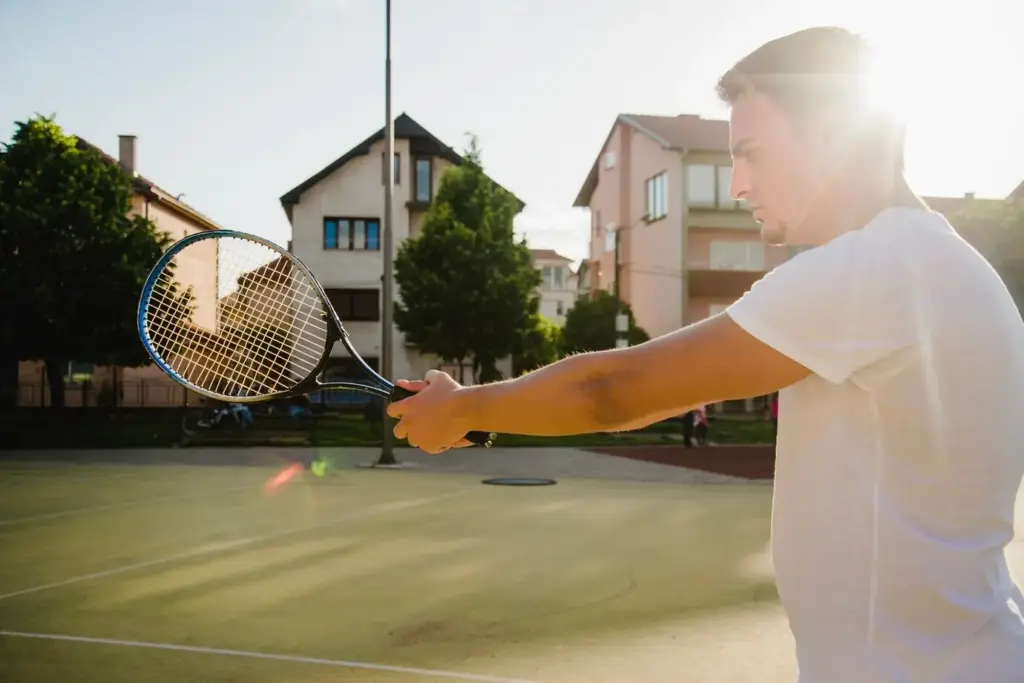
Stand the racket next to the child; the head should not scrape the ground when they hold the handle comfortably by their side. Test gentle swings with foam balls. If the wrist bends heavily or timing feels rushed, drop a size and try again patiently.

Ball Types: Foam, Red, and Stage 3

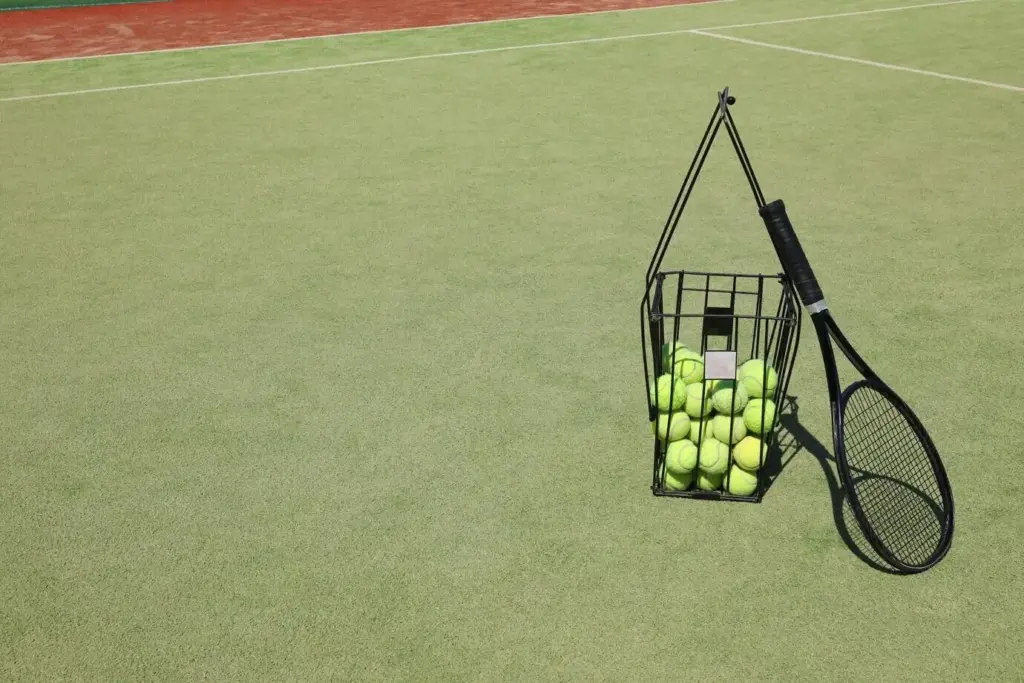
Foam balls protect indoor décor and slow bounce dramatically, perfect for first rallies. Red felt balls offer slightly livelier response outdoors while remaining forgiving. Stage 3 training prioritizes arc, rhythm, and playful control, letting kids experience early success without overwhelming pace, pressure, or frustrating, unreachable bounces.

Grip Comfort and Injury Prevention

A cushioned grip sized for small palms reduces over-gripping, the hidden culprit behind tired forearms. Encourage relaxed, soft hands by counting “one-and” between bounces. Gentle wrist stretches and dynamic shoulder circles before play keep tissues supple, while frequent sips of water sustain focus during giggly, energetic rallies.

Safety Habits That Make Every Rally Worry-Free

Kid-safe setups start with repeatable routines. Establish a quick check: clear floor, secure net, laces tied, hair pulled back, water nearby. Model calm breath before serves, and clap for effort, not outcomes. When excitement spikes, pause for a silly balance game. Playfulness protects attention, prevents collisions, and turns caution into confidence.

Home Safety Checklist

Create a laminated card near the gear bin: floor clear, furniture pads attached, windows closed, pets secured, siblings on lookout duty. Kids love checking boxes with erasable markers. Rituals reduce nagging and elevate ownership, priming brains for focus, laughter, and safe, repeatable movements every single session.

Warm-Up and Movement Basics

Start with animal walks, rainbow swings without rackets, and sock-ball tosses that groove tracking. Add hopscotch ladders drawn in chalk to wake up feet. Ten playful minutes prevent strains, sharpen reaction time, and turn the first rally into a victory march rather than a jittery, scattershot sprint.

Rules for Sharing Space and Behavior

Agree on gentle boundaries: call “Ball!” when one rolls away, freeze swings when someone enters, and tap rackets before each rally like a handshake. Clear, consistent language reduces surprises, helping siblings collaborate, respect personal space, and restart quickly after inevitable giggles, tumbles, or curious kitchen visits.

Skill-Building Games Kids Ask to Play Again
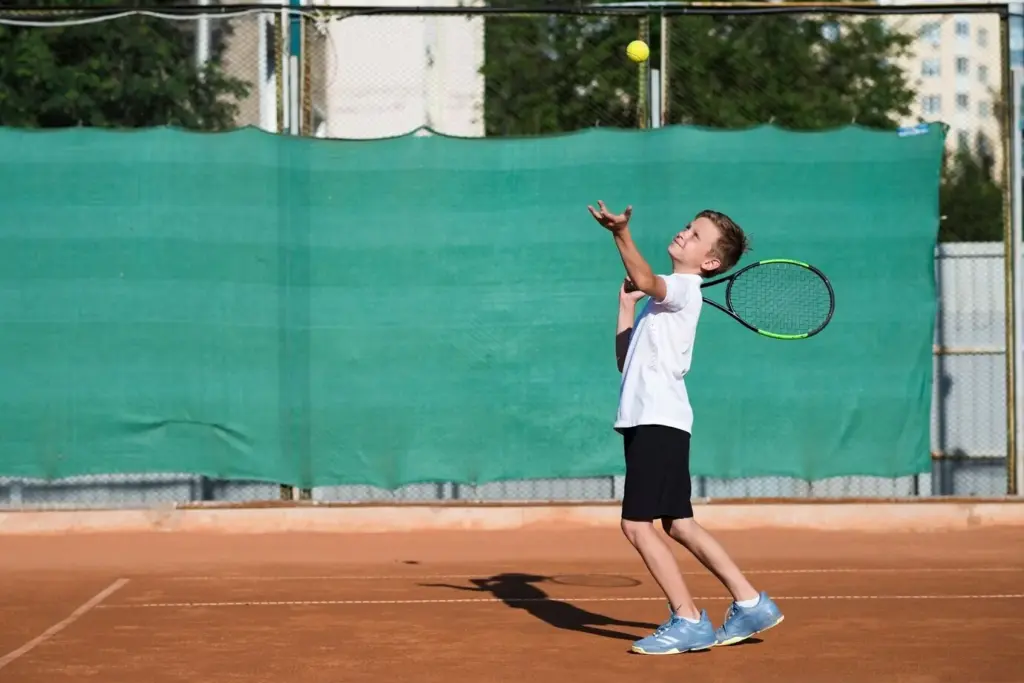
Games fuel repetition without boredom. Use colorful targets, storytelling missions, and countdown challenges to sneak in hundreds of quality contacts. Short victories—five bounces, three cooperative rallies, one landing on a towel—stack into lasting confidence. Rotate roles so everyone serves, feeds, and cheers, ensuring energetic involvement and happy, friendly competition.

Keep Momentum: Maintenance, Storage, and Community Connection

A tidy setup invites daily use. Store rackets in a basket by the door, hang the net bag on a hook, and keep foam balls in a clear bin kids can reach. Schedule short, recurring play windows and invite neighbors for mini round-robins. Share photos, ask questions, and subscribe for fresh drills.

Simple Care That Extends Gear Life

Wipe sweat and dust from grips, let the net dry before bagging, and rotate foam balls so compression remains consistent. Quick care preserves feel and saves money, keeping equipment trustworthy while kids focus on stories, games, and the next celebratory high five.

Progress Journals and Milestone Boards

Create a fridge chart for rally counts, serve toss height, and favorite games. Stickers mark milestones, and short notes capture funny moments worth remembering. Visible progress sparks pride and invites siblings to cheer, building a tiny culture of encouragement around your growing home court.

Finding Friends and Staying Inspired

Host weekend playdates with simple house rules, then ask families to bring one creative target or game. Share experiences in community groups, swap equipment tips, and trade success stories after school. Friendly accountability keeps momentum high when weather, homework, or schedules threaten to derail joyful routines.
Tevirekofulurovopeze
Privacy Overview

This website uses cookies so that we can provide you with the best user experience possible. Cookie information is stored in your browser and performs functions such as recognising you when you return to our website and helping our team to understand which sections of the website you find most interesting and useful.