Light Up Your Backyard Mini Tennis Evenings

Tonight we dive into DIY low-voltage LED lighting for evening play on backyard mini tennis courts, turning dusky corners into lively rallies with safe, energy-smart brightness. Expect clear planning steps, no-nonsense safety advice, approachable wiring tips, and placement tricks that boost visibility while calming glare. Bring your questions, share photos of your setup, and build a welcoming night-play routine the whole household and your neighbors will appreciate.

From Idea to Illuminated Rally

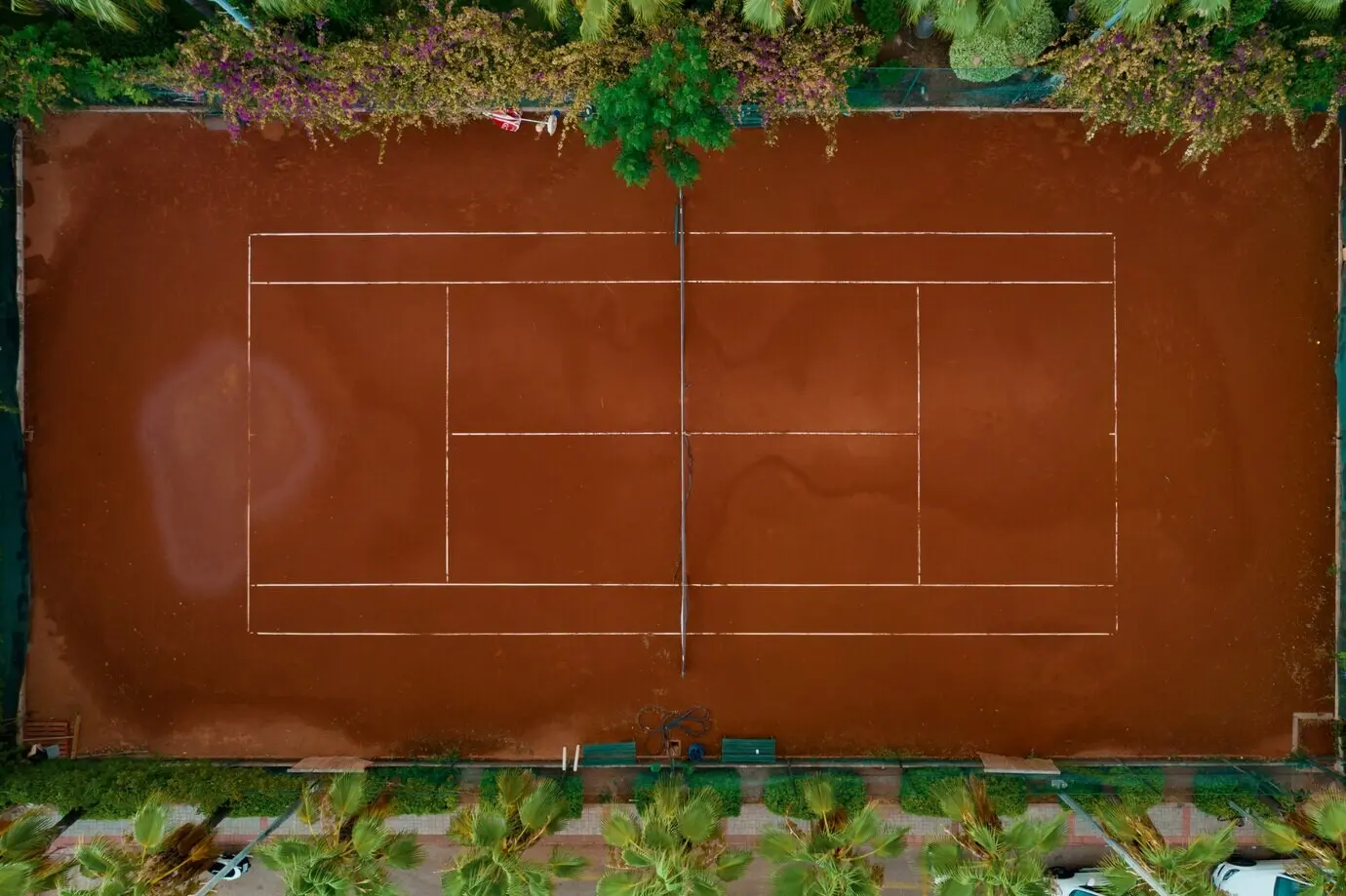
Start by defining how you want matches to feel: relaxed practice hits with kids, or faster footwork drills that demand crisper edges and fewer shadows. Sketch your court, note fences, trees, and patio lines, and aim for consistent, playable light around 100–200 lux. A small plan today prevents patchy hot spots, harsh glare, and messy wiring tomorrow.

Map the Court and Obstacles

Measure court lines, net height, and clearances, then mark where balls often disappear at dusk. Trees, sheds, and uneven ground change shadows more than you think. A simple scaled drawing helps predict coverage, cable routes, transformer placement, and safe pathways, so no one trips between serves or snagged cables during enthusiastic baseline sprints.

Set Light Goals Without Glare

Decide on bright-but-gentle illumination that reveals spin and trajectory without dazzling players. Keep fixtures off sightlines, angle beams slightly downward, and balance sides so one player is not against a bright wall. Consider acceptable uniformity, comfortable color temperature, and small dimming ranges for different drills, ensuring rallies feel smooth from first warmup to last tiebreaker.

Create a Simple Budget and Timeline

List fixtures, transformer, cable, connectors, conduit, and mounting hardware, then add safety extras like GFCI protection and weatherproof enclosures. Schedule trenching, placement, testing, and a nighttime aiming session. A realistic plan protects your wallet and patience, leaving energy for the fun part: hearing that satisfying pop as the ball lights up the strings.

Low-Voltage Fundamentals You Can Trust

Low-voltage systems, commonly 12V or 24V, are safer around kids, pets, and damp grass, while still delivering impressive punch with efficient LEDs. Focus on certified components, proper circuit protection, and thoughtful runs to keep voltage drop manageable. You’ll gain reliable brightness, fewer headaches, and confidence to keep playing after sunset with minimal maintenance.

Choosing 12V or 24V

Twelve volts works wonderfully for compact layouts and shorter cable runs with familiar landscape parts. Twenty-four volts shines when runs get longer or wattage adds up, offering lower current and better tolerance for distance. Match your choice to cable length, fixture count, and placement flexibility, so corners and service boxes stay evenly lit without flicker.

Conquering Voltage Drop with Proper Gauge

Long runs steal brightness if the wire is too thin. Use thicker cable when distances grow, keep total wattage per run modest, and consider home-run loops or balanced splits. Aim for minimal voltage variation across the court, so each fixture performs consistently. Test with a multimeter, not guesswork, before burying lines beneath your favorite rally zone.

Smart Fixture Choices and Court Placement

Choose fixtures that spread light evenly, respect sightlines, and resist backyard wear. Small floodlights with the right beam angle mounted just off-court often outperform bigger, harsher units. Combine modest outputs from multiple sides to reduce glare and shadows. Thoughtful placement reveals lobs and slices while keeping the sky dark and neighbors content.

Floods vs. Spots vs. Linear

Compact floods give broad, forgiving coverage that helps reading ball flight across mini-court dimensions. Spots can highlight trouble zones but risk harsh patches if mis-aimed. Linear LEDs along fences brighten footwork lanes and service boxes gently. Mixing types, at lower intensities, often beats any single, overpowering light source, creating beautiful, blended visibility that feels natural.

Heights, Angles, and Shadows

Mount fixtures higher than eye level, angled slightly downward and inward, so beams overlap softly across lines. Keep lights outside playing areas to avoid collisions and direct glare. Test with a friend hitting cross-court and lobs, then adjust until faces stay comfortable, lines remain defined, and overheads are confidently smashed without staring into blinding halos.

Sizing Transformers and Drivers

Add up fixture wattages, include about twenty percent extra capacity, and consider multiple zones to split long runs. Choose low-noise, outdoor-rated units with thermal protection. Locate near a GFCI outlet in a ventilated enclosure to keep heat under control. A well-sized power heart keeps brightness stable through quick exchanges and extended match nights.

Zoning and Dimming for Different Drills

Divide the court into zones—baseline, service boxes, and approach lanes—so you can brighten targeted sections during skill work. Gentle dimming helps younger players build confidence without harsh glare. Lower intensity for cool-down stretches or friendly chats, then bump it up for competitive points. Personalized control turns your space into a flexible evening training studio.

Step-by-Step Installation You Can Weekend-Warrior

Lay out components on the lawn before committing, then excavate shallow trenches or tuck conduit neatly along edges. Keep connections above soggy areas and label everything. Test circuits at twilight, aim carefully, and revisit angles after a few games. Small, thoughtful adjustments deliver a court that plays bigger, brighter, and wonderfully inviting.

Trenching and Conduit the Easy Way

Mark utilities, then cut tidy channels just deep enough for protection and future changes. Smooth sharp edges, pull low-voltage cable through UV-stable conduit, and secure gentle bends near posts. Keep junction boxes accessible but discreet. Good routing prevents cable nicks and makes later additions effortless when you expand lighting toward seating, storage, or practice targets.

Connections, Testing, and Aiming

Crimp and seal with heat-shrink or gel-filled connectors, tug test every joint, then verify polarity. Power up before burial to confirm even brightness. At dusk, aim fixtures while a partner rallies, tweaking angles until lines glow consistently and faces stay comfortable. Document final positions with photos, so seasonal readjustments are fast and worry-free.

Care, Upgrades, and Being a Good Neighbor
Wipe lenses, check seals, and tighten mounts each season to keep brightness consistent and beams steady. Consider shields, louvers, or lower output late at night to honor nearby windows and nesting birds. Track energy use, celebrate savings, and post your iterative tweaks. Your court can shine brilliantly while respecting skies, wildlife, wallets, and community harmony.
A soft cloth on lenses, a glance at cable strain relief, and a quick post-level check preserve performance far longer than you’d expect. Replace worn gaskets before water sneaks in. Log changes in a simple notebook. These five-minute habits protect light quality, reduce surprises, and keep night rallies dependable, playful, and consistently enjoyable for everyone.
Aim beams down, shield where needed, and avoid bright upward spill that washes the stars. Warmer scenes near seating and lower levels after hours encourage calm, respectful evenings. Talk with neighbors about schedules and special events. Your thoughtful, wildlife-aware setup proves great play can coexist with quiet nights, happy pollinators, and well-rested songbirds nearby.
LED efficiency and timed automation keep bills pleasantly light, especially compared to old floodlamps. Track wattage by zone to understand real usage and justify future upgrades. Share photos, parts lists, and lessons learned with our readers. Ask questions, request comparisons, or suggest drills you’d like lit differently. Your feedback shapes future guides and experiments.
Tevirekofulurovopeze
Privacy Overview

This website uses cookies so that we can provide you with the best user experience possible. Cookie information is stored in your browser and performs functions such as recognising you when you return to our website and helping our team to understand which sections of the website you find most interesting and useful.