
Build a Backyard Mini Tennis Court That Plays Like a Dream

Ready to explore selecting and installing backyard court surfaces for mini tennis—tiles, turf, or chalk—and make confident choices without second‑guessing? This friendly guide shares practical comparisons, step‑by‑step installation tips, and real‑world insights so your family gets consistent bounce, safer footing, and dependable durability, even if your space is small, shaded, or shaped a little unusually.

Tiles, Turf, or Chalk: Choosing What Fits Your Space
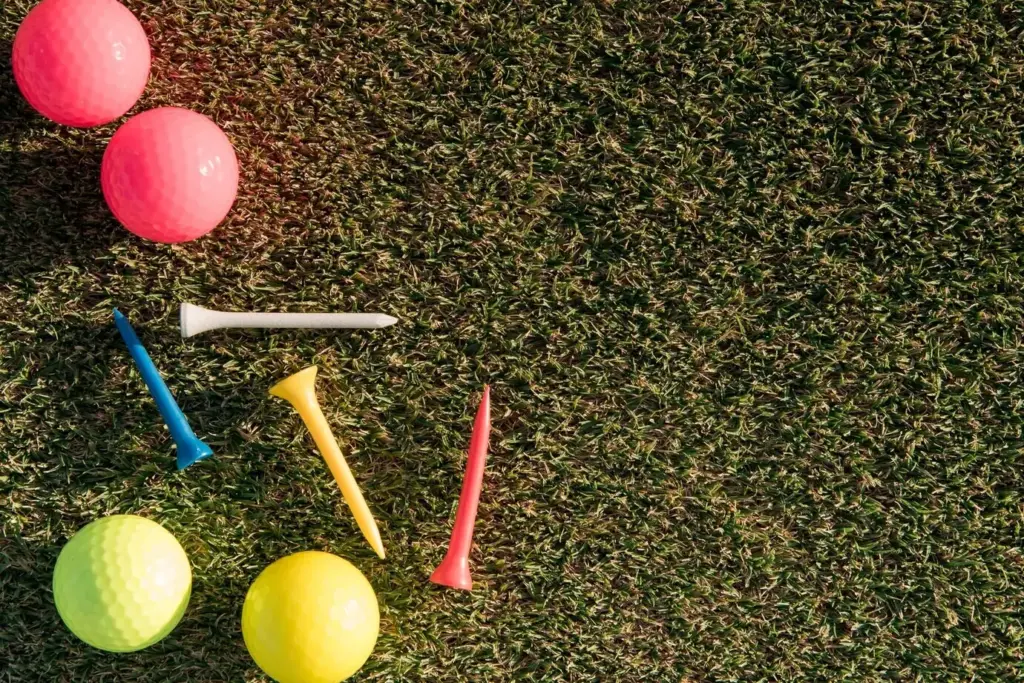
Surface choice influences bounce, grip, maintenance, and budget. Interlocking tiles deliver lively speed and fast drainage; synthetic turf offers versatile comfort and quieter play; chalk lets you start fast with minimal cost. Consider climate, shade, base conditions, and how often you’ll play. Families often prefer cushioning for young knees, while competitors chase crisp footwork. Your perfect fit balances performance, effort, and joy, not just specifications.

Interlocking Sport Tiles

Modular tiles snap together over a flat base, creating a resilient, grippy surface that drains quickly after rain. Many homeowners love the clean lines, reduced puddles, and fast setup. Add an underlayment for extra cushion, and choose UV‑stable materials to fight fading. A neighbor’s weekend build turned an underused patio into a lively practice zone, demonstrating how truly accessible this option can feel even for first‑time DIY enthusiasts.

Synthetic Turf Systems

Short‑pile turf with a compacted stone base and sand infill produces predictable speed and quieter footfalls, making early‑morning rallies friendly to sleeping neighbors. Good drainage and shock pads help comfort and knee health. White inlaid lines look sharp and resist wear. A family I coached layered geotextile under their base to stop weeds, and their kids now practice serves for twenty minutes daily without scuffing up the lawn or bringing dirt into the house.

Underfoot Matters: Base Preparation and Drainage

Great courts start below the surface. A well‑graded, compacted base prevents uneven bounce, puddles, and shifting tiles or turf seams. Establish a gentle slope—about one to two percent—for drainage away from play. Use crushed stone and screenings to interlock, and consider geotextile to separate soil from aggregate. Strong edges stop creep. Thoughtful base work reduces long‑term maintenance, letting your focus stay on footwork, not fixing wavy lines or waterlogged corners.

Soil Evaluation and Excavation

Test how your soil behaves after rain and when compacted. Clay holds water; sandy loam drains better. Excavate organic material and soft pockets until you reach stable subgrade. Remove roots and set a clear elevation benchmark. A homeowner near a creek discovered seasonal saturation and added a french drain, keeping their court playable after spring storms. The extra preparation added a weekend, but saved months of frustration and uneven repairs later.

Stone Layers and Proper Compaction

Place angular crushed stone in lifts, compacting each pass until a firm, interlocked base forms. Add fines or screenings to tighten the top layer for tiles or to support turf’s consistent feel. Maintain slope throughout, not just at the end. Rent a plate compactor for reliable density. Mark thickness with stakes to stay honest. When players tell me their bounce improved overnight, it usually means the compaction finally matched the design intent.

Managing Water with Slope and Drains

Water seeks the lowest point, so guide it deliberately. A one to two percent crown or shed directs runoff beyond court edges rather than letting it sit under tiles or turf. In wetter climates, perimeter swales and simple french drains prevent saturation. Even chalked courts benefit from predictable water movement. Your future self will thank you on the first rainy weekend when everything dries fast and rally plans survive the weather forecast unchanged.

From Boxes to Baseline: Installation Day Walkthrough

Snapping Together Tile Systems

Begin at a straight reference line, clicking tiles in rows while checking squareness every few feet. Install edge ramps at entrances to reduce trip hazards. Leave manufacturer‑recommended expansion gaps for heat. A lightweight rubber mallet helps stubborn clips. Once, a family installed half the court, paused to play a mini set, then finished with renewed energy—proof that modular builds reward momentum and keep spirits high as the project moves toward a playful reveal.

Rolling and Seaming Synthetic Turf

Unroll turf with the grain oriented consistently so color and sheen match. Trim carefully around edges, then apply seaming tape and adhesive under clean, aligned edges. Add sand infill gradually, brushing it in for uniform support and ball speed. Shock pads beneath improve comfort. A careful homeowner labeled rolls before unwrapping, preventing mismatched grain and saving hours. Their final result looked professionally installed, yet cost far less because the prep and sequencing were thoughtful.

Chalk Line Marking that Stays Straight

Sweep the surface, measure playing dimensions appropriate for mini tennis, and snap guide strings. Use a long straightedge for crisp lines, and refresh after rain or intense sessions. Consider eco‑friendly field chalk for brighter contrast. Kids love helping and learn measurements along the way. One weekend crew created playful stencils for service boxes, making practice targets that turned drills into games. The ritual kept everyone engaged while reinforcing consistency and accurate placement under friendly pressure.

Play Feel, Safety, and Durability by Design

Comfort and resilience encourage more rallies and fewer aches. Cushion layers protect joints, while reliable traction reduces slips. UV‑stable materials resist fading and heat buildup, and drainage keeps the surface playable after storms. Players sensitive to impact often prefer turf with shock pads; speed chasers lean toward tiles. Chalk is honest and forgiving for learning control. Thoughtful choices here shape how often you play, how long sessions last, and how confident footwork becomes.

Budget Smarts, Care Routines, and Future Upgrades

Think in total cost of play, not just day‑one price. Materials, base work, tools, and delivery add up, but dependable surfaces invite consistent practice that maximizes value. Maintenance habits preserve speed and appearance, and modular systems welcome upgrades like rebound walls or lighting later. Start with the essentials, then enhance gradually as skills grow. A simple court today can evolve into a well‑equipped training space tomorrow without wasting earlier effort or spending twice.

Reader Spotlight: A Practice Oasis in a Small Yard

On a narrow plot behind a townhome, one reader installed short‑pile turf over compacted stone, adding a slim rebound board where a garden bed once sat. The quieter surface calmed neighborhood noise while evening rallies became routine. Their kids track serve attempts with sidewalk chalk tallies on the patio. It is a reminder that constraints often spark creativity, turning unused corners into purposeful spaces that fit real lives, not catalog ideals, and still feel wonderfully playable.

Troubleshooting: Quick Fixes for Common Issues
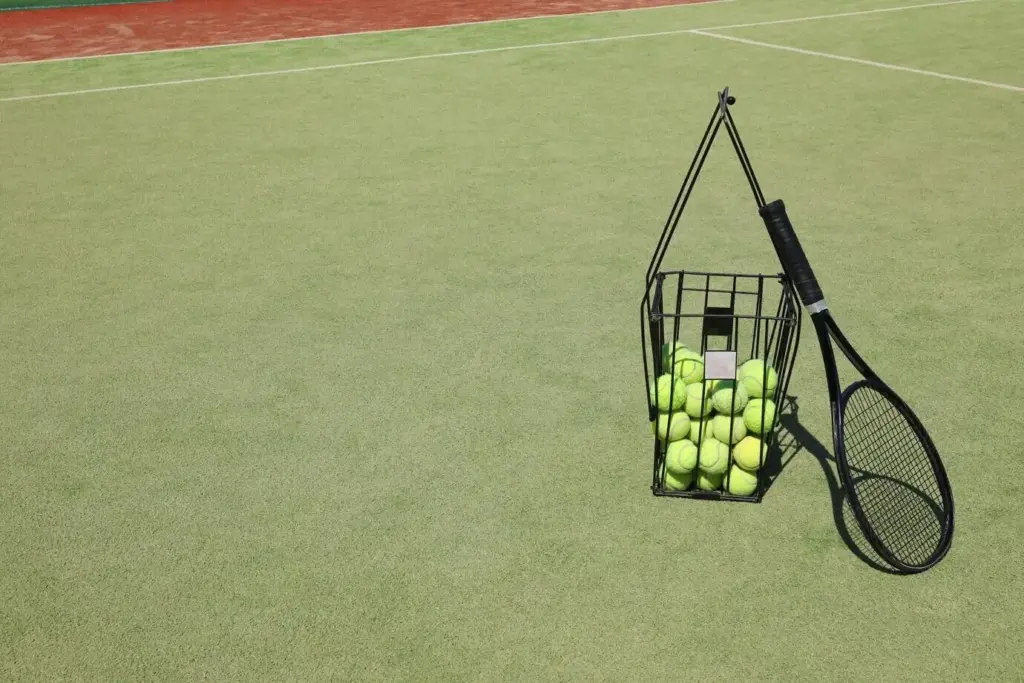
Tiles lifting at corners? Check expansion gaps and re‑seat clips. Turf seams visible? Clean, realign, and re‑adhere with fresh tape. Chalk lines smearing? Sweep first and apply in dry conditions. Drainage slow? Confirm slope and clear edges. When bounce surprises you, inspect the base rather than blaming the top layer. Most frustrations shrink when addressed early, and a calm checklist beats guesswork. Share your puzzles—someone likely solved the same challenge last weekend.
Tevirekofulurovopeze
Privacy Overview

This website uses cookies so that we can provide you with the best user experience possible. Cookie information is stored in your browser and performs functions such as recognising you when you return to our website and helping our team to understand which sections of the website you find most interesting and useful.