
Light Up Your Backyard Mini Tennis Evenings
From Idea to Illuminated Rally
Map the Court and Obstacles
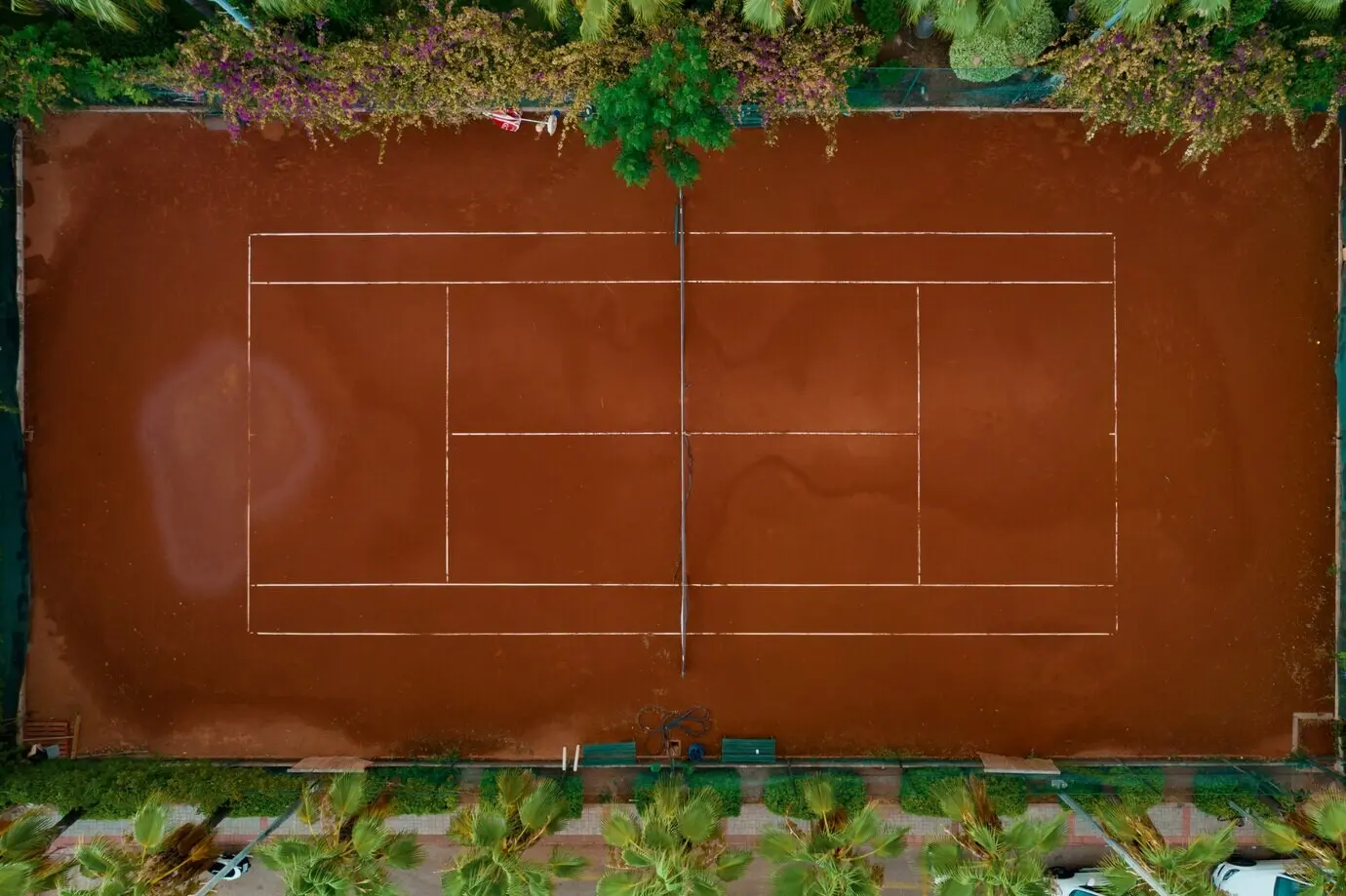
Measure court lines, net height, and clearances, then mark where balls often disappear at dusk. Trees, sheds, and uneven ground change shadows more than you think. A simple scaled drawing helps predict coverage, cable routes, transformer placement, and safe pathways, so no one trips between serves or snagged cables during enthusiastic baseline sprints.
Set Light Goals Without Glare
Decide on bright-but-gentle illumination that reveals spin and trajectory without dazzling players. Keep fixtures off sightlines, angle beams slightly downward, and balance sides so one player is not against a bright wall. Consider acceptable uniformity, comfortable color temperature, and small dimming ranges for different drills, ensuring rallies feel smooth from first warmup to last tiebreaker.
Create a Simple Budget and Timeline
List fixtures, transformer, cable, connectors, conduit, and mounting hardware, then add safety extras like GFCI protection and weatherproof enclosures. Schedule trenching, placement, testing, and a nighttime aiming session. A realistic plan protects your wallet and patience, leaving energy for the fun part: hearing that satisfying pop as the ball lights up the strings.
Low-Voltage Fundamentals You Can Trust
Choosing 12V or 24V
Twelve volts works wonderfully for compact layouts and shorter cable runs with familiar landscape parts. Twenty-four volts shines when runs get longer or wattage adds up, offering lower current and better tolerance for distance. Match your choice to cable length, fixture count, and placement flexibility, so corners and service boxes stay evenly lit without flicker.
Conquering Voltage Drop with Proper Gauge
Long runs steal brightness if the wire is too thin. Use thicker cable when distances grow, keep total wattage per run modest, and consider home-run loops or balanced splits. Aim for minimal voltage variation across the court, so each fixture performs consistently. Test with a multimeter, not guesswork, before burying lines beneath your favorite rally zone.
Smart Fixture Choices and Court Placement
Floods vs. Spots vs. Linear
Heights, Angles, and Shadows
Sizing Transformers and Drivers
Zoning and Dimming for Different Drills
Step-by-Step Installation You Can Weekend-Warrior
Trenching and Conduit the Easy Way
Mark utilities, then cut tidy channels just deep enough for protection and future changes. Smooth sharp edges, pull low-voltage cable through UV-stable conduit, and secure gentle bends near posts. Keep junction boxes accessible but discreet. Good routing prevents cable nicks and makes later additions effortless when you expand lighting toward seating, storage, or practice targets.
Connections, Testing, and Aiming
Crimp and seal with heat-shrink or gel-filled connectors, tug test every joint, then verify polarity. Power up before burial to confirm even brightness. At dusk, aim fixtures while a partner rallies, tweaking angles until lines glow consistently and faces stay comfortable. Document final positions with photos, so seasonal readjustments are fast and worry-free.
Care, Upgrades, and Being a Good Neighbor
All Rights Reserved.